Zero Variations and Their Role in Shaping Tactics for App-Based Complimentary Sessions
Mara Hughes · May 27, 2026
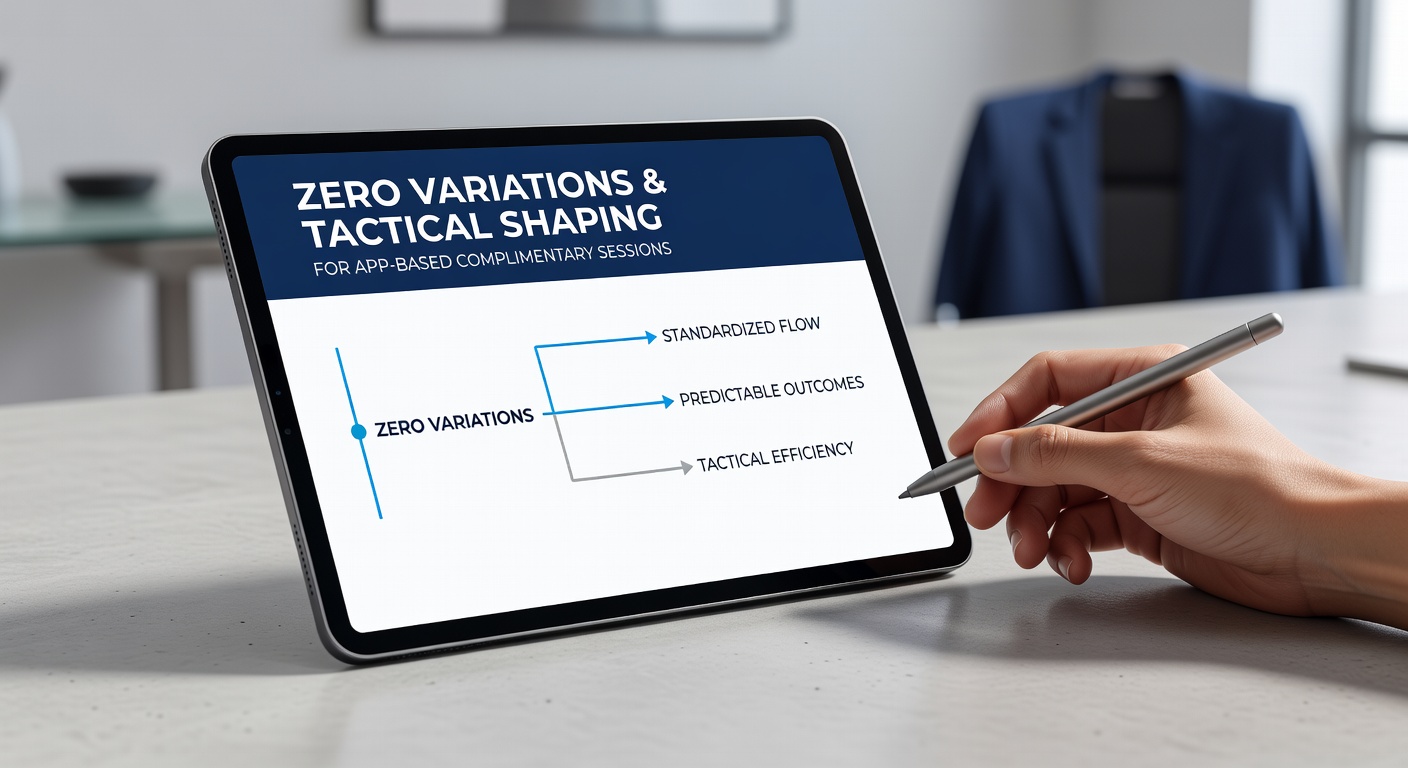
Zero Variations and Their Role in Shaping Tactics for App-Based Complimentary Sessions
Zero variations in roulette wheels create distinct house edges that influence how participants approach complimentary sessions on mobile apps, and these differences become particularly relevant when players test strategies without financial risk. Single-zero configurations appear on European and French wheels while double-zero setups define American wheels, and data from regulatory reports shows the house edge sits at 2.7 percent for single-zero games compared to 5.26 percent for double-zero variants. Observers note that app developers often mirror these wheel types in free-play environments so users encounter the same mathematical realities they would face in paid versions.
Understanding Wheel Configurations in Digital Formats
App-based complimentary sessions replicate physical wheel structures through random number generators certified by independent testing labs, and this replication allows users to explore how zero placement alters outcome probabilities across multiple spins. European-style wheels feature 37 pockets with one zero while American versions contain 38 pockets including both zero and double zero, and research from the Nevada Gaming Control Board indicates that these structural differences directly affect payout frequencies during extended play periods. Players who switch between app versions often adjust their bet selections to account for the extra zero's impact on neighboring numbers and sector coverage.
Tactical Adjustments Based on Zero Placement
Complimentary sessions provide environments where participants experiment with progression systems and sector bets without depleting real balances, yet the presence of additional zeros forces recalibrations in risk management. Those who study wheel layouts frequently reduce reliance on outside bets when double-zero wheels appear because the probability distribution shifts, and industry reports from the Canadian Gaming Association reveal that users spend more time on inside-number combinations during single-zero trials. App analytics further demonstrate that session lengths increase when players recognize how zero variations modify expected returns over hundreds of spins.
App Features That Highlight These Differences
Many platforms incorporate tutorial modes that switch wheel types mid-session, allowing direct comparisons between configurations while users remain in complimentary play. Data collected from these features shows participants favor covering both zero and double-zero pockets simultaneously when American wheels dominate, and this behavior aligns with findings published in the Journal of Gambling Studies regarding adaptive betting patterns. Developers continue to refine interface tools that display real-time statistics on zero-hit frequencies, giving users immediate feedback that shapes their next tactical choices.

Regional Regulatory Influences on App Design
Regulatory frameworks across different jurisdictions require apps to clearly label wheel types in complimentary modes, and this transparency affects how tactics evolve during practice sessions. European regulators emphasize single-zero standards while North American markets accommodate both formats, and reports from the Australian Communications and Media Authority note that these labeling requirements help users develop region-specific approaches. As new compliance standards prepare for implementation in May 2026, app providers are updating their free-play modules to include clearer zero indicators that further guide tactical decisions.
Long-Term Effects on Player Development
Repeated exposure to varied zero configurations in complimentary environments builds familiarity with probability shifts that carry over when users transition to real-money play. Studies conducted by research teams at the University of Nevada, Reno, indicate that individuals who practice across multiple wheel types demonstrate improved bankroll allocation once they engage paid sessions. App metrics confirm that players who explore both single and double-zero options during free periods maintain more consistent betting patterns when financial stakes are introduced.
Conclusion
Zero variations continue to serve as foundational elements that determine how complimentary app sessions function as training grounds for roulette tactics. The measurable differences in house edges between single-zero and double-zero wheels prompt users to modify bet selections, session durations, and risk parameters based on the wheel type presented. As regulatory updates approach in May 2026 and app technologies advance, these digital environments will likely offer even more precise tools for understanding and adapting to zero-related probabilities across global markets.