Tracing the History and Modern Use of Promotional Codes in Virtual Spin Environments
Mara Hughes · May 20, 2026
Tracing the History and Modern Use of Promotional Codes in Virtual Spin Environments
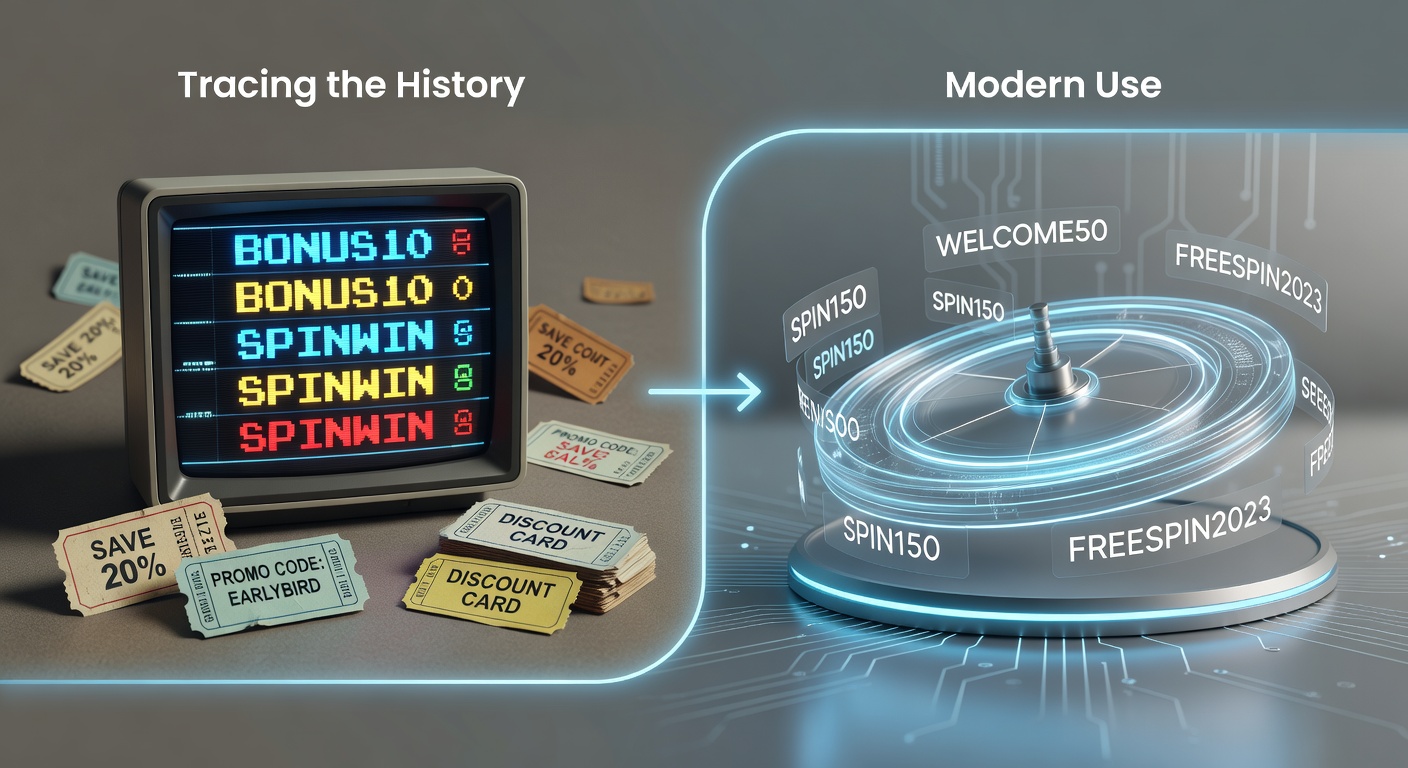
Promotional codes first appeared in virtual spin environments during the mid-1990s as online casinos sought ways to attract players to digital slot machines and roulette simulators, and these codes functioned as simple text strings that unlocked free spins or deposit matches on rudimentary web platforms. Early operators like those launching in Antigua and Barbuda under the 1994 Free Trade and Processing Act distributed codes through email newsletters and affiliate sites, which allowed users to access initial spins on basic three-reel games without immediate financial commitment. Data from industry archives shows that such incentives helped new platforms gain traction amid limited internet speeds and basic graphics that defined the period. As broadband expanded in the early 2000s, promotional codes evolved alongside more sophisticated virtual spin software developed by companies such as Microgaming and Playtech. These systems integrated code redemption directly into player accounts, enabling automatic crediting of spins on themed video slots that featured multiple paylines and bonus rounds. Researchers tracking the sector note that codes often tied into loyalty tiers where repeated use unlocked escalating rewards like additional spins on progressive jackpot wheels.Expansion Through Mobile and Social Platforms
The rise of smartphones after 2007 transformed code distribution because developers began embedding redemption features into dedicated apps that delivered virtual spins on portable devices. Players received codes via push notifications or social media campaigns, and these promotions frequently aligned with seasonal events or new game releases. Figures from global gaming reports indicate mobile integration increased code usage rates significantly as casual users engaged with free spin offers on titles mimicking traditional mechanical reels but rendered in high-definition animations.
Social casino platforms further popularized codes by offering them as viral sharing rewards that granted spins on simulated environments without real-money wagering. This approach drew from behavioral patterns observed in free-to-play models, where codes encouraged daily logins and community participation. Those monitoring market trends point out that such mechanics sustained engagement levels even as regulatory scrutiny grew in various jurisdictions.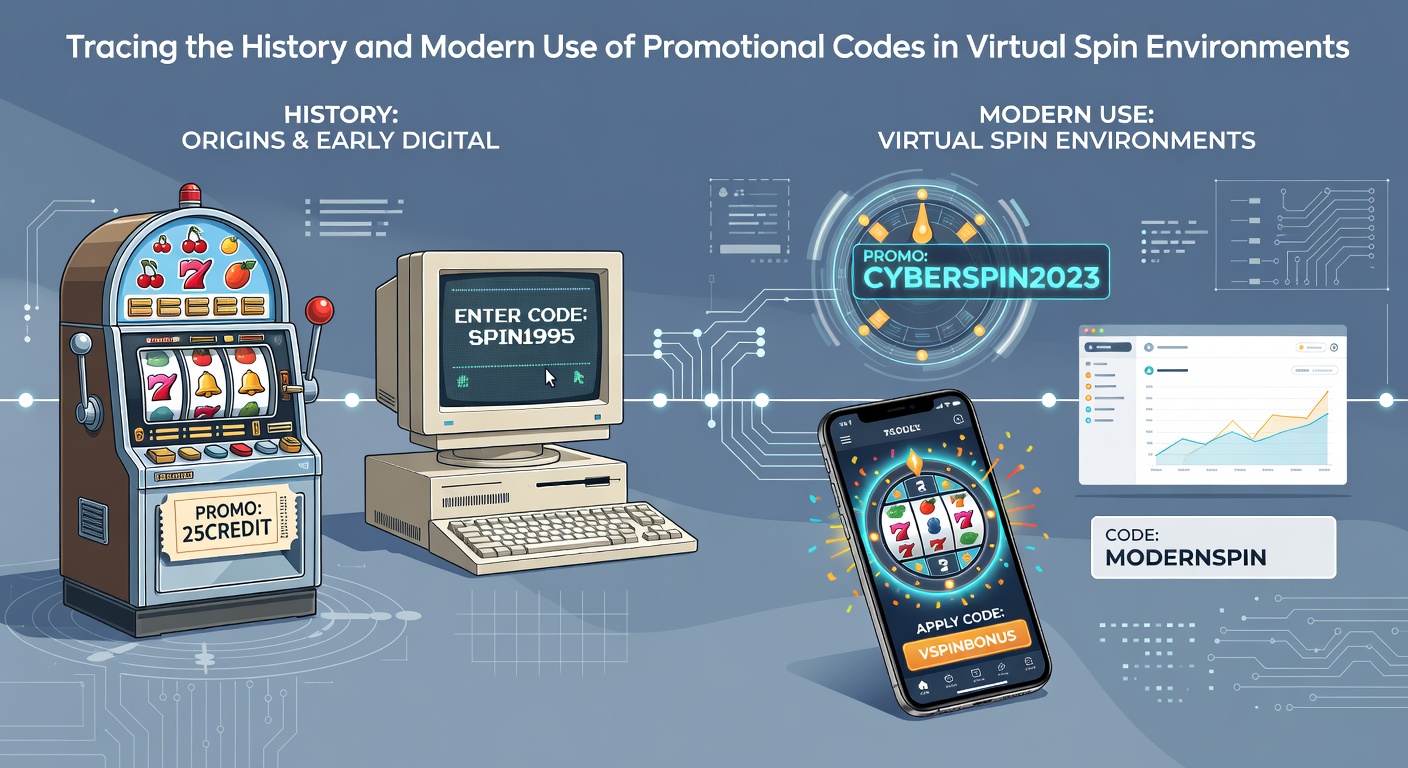
Current Applications and Regulatory Context
Today promotional codes operate across virtual spin environments that include live dealer integrations and randomized number generators certified for fairness. Operators deploy them through targeted campaigns that analyze player data to offer personalized spin bundles on multi-reel slots or wheel-based games. According to analyses from the European Gaming and Betting Association, codes now frequently incorporate responsible gaming prompts that link to limit-setting tools during redemption processes.
In regions like Ontario and several Australian states, regulatory frameworks require clear disclosure of code terms, which ensures players understand wagering requirements attached to spins earned through such promotions. Industry data reveals steady adoption in licensed markets where codes serve as entry points for new titles while complying with age verification and anti-money laundering standards. What's interesting here is how blockchain-based platforms have started testing codes that mint as unique tokens, granting verifiable spin entitlements on decentralized virtual environments.Developments Anticipated Around May 2026
By May 2026 several major virtual gaming providers plan expanded code ecosystems tied to virtual reality spin interfaces, and these updates will allow seamless integration across headsets and mobile devices for immersive wheel rotations and reel cascades. Government agencies overseeing gaming in select European markets continue reviewing frameworks that could standardize code transparency across borders, while research institutions examine usage patterns to assess impacts on player retention metrics. Observers tracking these shifts highlight partnerships between software firms and payment processors that streamline code-linked deposits for faster spin activation.
Case examples from established operators demonstrate codes functioning alongside subscription models where monthly access bundles include rotating spin offers on exclusive virtual environments. This method builds on historical loyalty structures but adapts them to subscription economies prevalent in digital entertainment sectors.Conclusion
Promotional codes have progressed from basic email tokens in the 1990s to sophisticated tools embedded in today's interconnected virtual spin platforms, and their trajectory reflects broader advances in digital accessibility and regulatory oversight. Data continues to show their role in onboarding and retention across licensed and emerging markets, while upcoming integrations around 2026 point toward further personalization through emerging technologies. Those studying the field emphasize ongoing adaptation as codes remain central to how operators engage users in evolving spin-based experiences.