Synergies Between Loyalty Thresholds and Sector Recalibration in Cross-Variant Digital Spin Rewards
Erik Richter · Aug 21, 2026
Synergies Between Loyalty Thresholds and Sector Recalibration in Cross-Variant Digital Spin Rewards
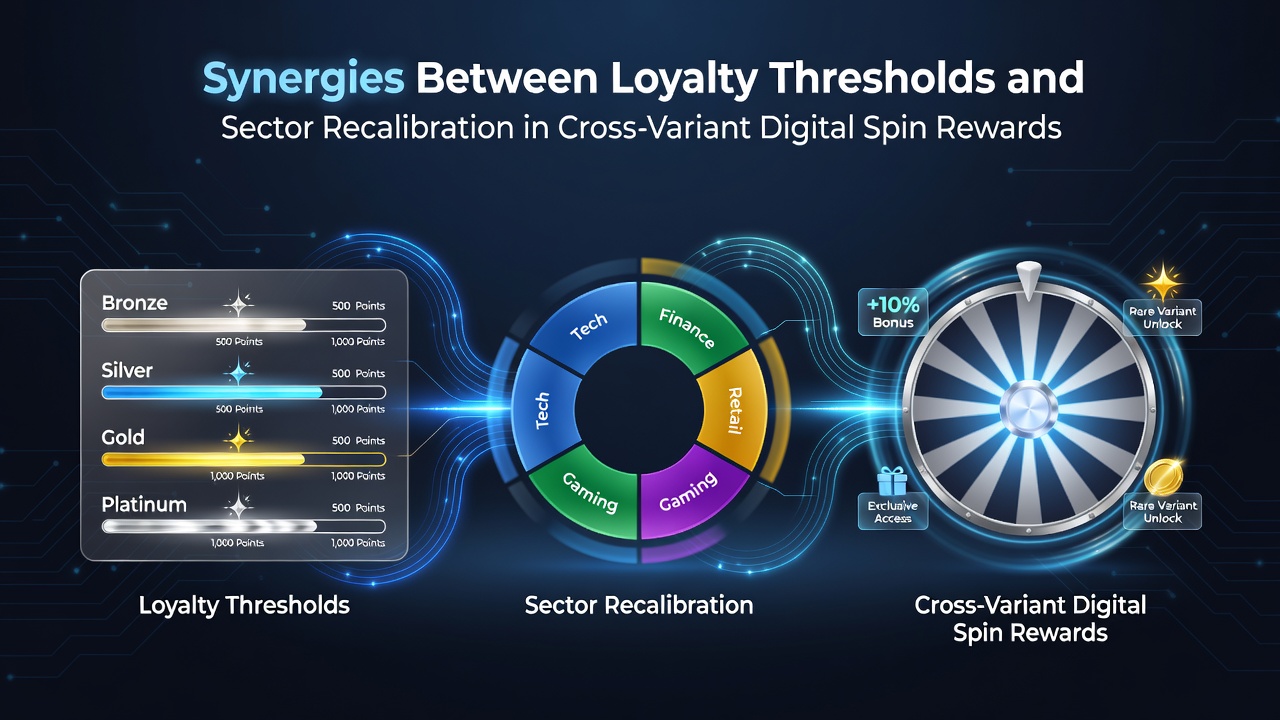
Digital gaming platforms integrate loyalty thresholds with sector recalibration to manage reward distribution across multiple spin variants, and this approach has gained traction as operators refine their systems for different wheel configurations. Loyalty thresholds establish tiered access points where players unlock enhanced reward multipliers once they reach specified activity levels, while sector recalibration adjusts the weighting of bonus segments on digital wheels to maintain balance across European, American, and hybrid formats. Observers note that these mechanisms interact directly because higher loyalty tiers trigger automatic sector adjustments that prevent reward overlap and sustain engagement across variants.
Loyalty Threshold Structures in Digital Environments
Operators define loyalty thresholds through cumulative metrics such as spin volume, session duration, and deposit frequency, and these thresholds determine when players advance from base to premium categories. Research indicates that systems recalibrate reward sectors at each threshold to reflect the increased value assigned to higher-tier participants, which means a player crossing into the second tier often sees expanded coverage on low-volatility segments while premium tiers receive recalibrated access to high-value sectors. Data from platform analytics shows this progression occurs without manual intervention because algorithms monitor real-time activity and apply changes across all active variants simultaneously.
Sector Recalibration Mechanics Across Variants
Sector recalibration operates by redistributing probability weights on digital wheels so that reward segments align with the loyalty status of the active player base, and this process differs between European wheels that feature a single zero and American wheels that include both zero and double zero. Experts have observed that recalibration protocols adjust sector sizes proportionally to prevent any single variant from dominating reward outcomes, which allows operators to maintain consistent payout ratios even when players switch between formats within the same session. In August 2026 several major platforms implemented updated recalibration schedules that synchronize changes across variants at fixed intervals, reducing discrepancies that previously appeared during peak usage periods.
Interaction Patterns Between Thresholds and Recalibration
The synergy emerges when loyalty thresholds activate sector recalibration rules that modify wheel layouts in real time, and this linkage produces measurable shifts in how rewards appear across different spin environments. One documented pattern involves mid-tier players receiving expanded sector coverage on European variants while the same threshold triggers contracted high-value sectors on American variants to balance overall exposure. Figures reveal that platforms applying these combined rules report steadier retention rates because the recalibration prevents reward fatigue by rotating sector prominence based on tier progression rather than static schedules.
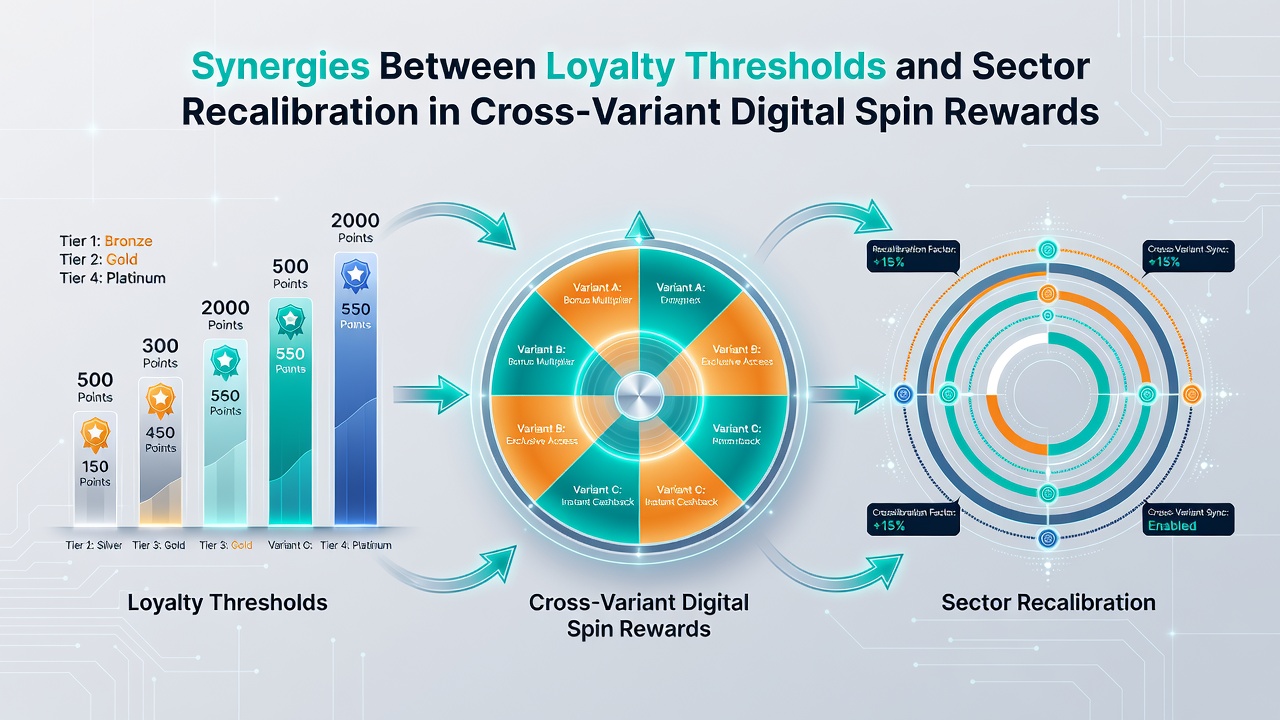
Platform logs demonstrate that recalibration events triggered by threshold crossings occur within milliseconds of the activity update, which keeps the experience seamless while ensuring variant-specific rules remain distinct. Those who have examined these systems note that the interaction reduces the need for separate reward engines because a single recalibration module handles adjustments for all variants once the loyalty signal arrives.
Implementation Examples from Current Platforms
Multiple operators have adopted unified frameworks where loyalty data feeds directly into sector mapping tools, and this setup allows cross-variant consistency without requiring separate coding for each wheel type. Reports from the Nevada Gaming Control Board detail how certain licensed platforms track these interactions through standardized reporting that captures both threshold achievements and subsequent sector shifts. Similar approaches appear in Australian regulatory filings where operators document recalibration frequency tied to loyalty milestones, showing patterns that align with broader industry data on player movement between variants.
Technical Considerations and Data Integration
Integration relies on centralized databases that store loyalty metrics alongside variant-specific sector templates, and these databases update sector coordinates whenever a threshold event registers. Observers note that error rates drop when recalibration logic incorporates variant identifiers at the threshold evaluation stage rather than applying uniform changes. Studies from research institutions indicate that platforms using this integrated method experience fewer payout variances across European and American formats during high-traffic periods because the system anticipates threshold-driven shifts before they affect live sessions.
Conclusion
The documented connections between loyalty thresholds and sector recalibration continue to shape reward delivery in cross-variant digital spin environments, and ongoing platform updates scheduled through late 2026 suggest further refinement of these linkages. Data from regulatory sources and industry reports confirm that the combined approach supports consistent outcomes across wheel types while responding dynamically to player progression. As systems evolve, the core interaction remains centered on threshold-triggered recalibration that adapts sector coverage without disrupting variant integrity.