Reward Incentives Reshaping Progression Choices Across App Wheel Layouts
Carlo Hughes · Jul 31, 2026
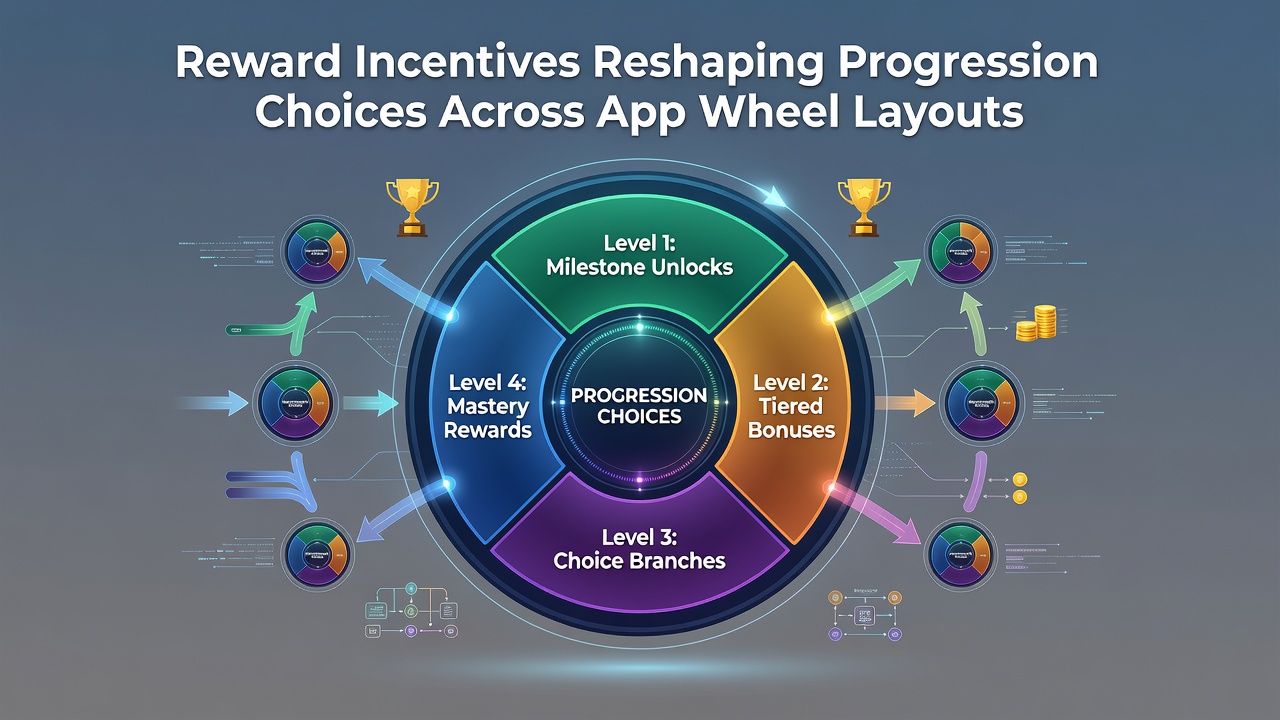
Reward Incentives Reshaping Progression Choices Across App Wheel Layouts
App developers have integrated reward structures that directly influence how users select and adjust betting progressions when switching between wheel formats in mobile environments, and data from industry tracking services shows measurable shifts in player behavior across these platforms. Reward tiers often appear as layered bonus multipliers or free spin allocations that scale according to session length and wager volume, while wheel layouts in European and American variants present different zero configurations that alter the mathematical outcomes of any given progression system. Observers note that players adjust their step sizes in sequences like Martingale or D'Alembert when incentive thresholds reset mid-session, and this adjustment pattern has grown more pronounced since several major operators updated their backend algorithms in early 2026.
How Reward Structures Interact With Wheel Configurations
European wheel layouts contain a single zero while American versions include both zero and double zero, creating distinct risk profiles that reward systems exploit through targeted multipliers, and app providers frequently attach higher bonus rates to the single-zero format to encourage longer play on lower house-edge tables. When users reach incentive milestones such as accumulated loyalty points or streak-based rewards, the system often suggests or auto-applies modified progression parameters that account for the wheel's sector probabilities, and researchers tracking app telemetry have recorded increased adoption of sector-specific betting after these prompts appear. Data indicates that progression choices expand or contract depending on whether the reward is time-limited or volume-based, with volume-based incentives pushing users toward steadier step increments across multiple spins.
Progression Adjustments Observed in July 2026 Reports
July 2026 brought updated compliance filings from several North American gaming authorities that highlighted changes in mobile roulette engagement metrics, and these reports documented how reward layers affected the frequency of progression resets. Users encountering tiered cashback offers tended to shorten their progression cycles on American wheels while extending them on European layouts, a pattern that aligns with the differing payout structures embedded in each wheel. Industry analysts compiling data from app stores and operator dashboards found that reward visibility within the interface correlates with faster adaptation of flat-betting hybrids, whereas hidden or delayed reward notifications produced slower shifts in user strategy. Those monitoring session logs observed that players who received immediate visual feedback on incentive progress maintained more consistent bet sizing across wheel switches than those without such cues.
App interfaces increasingly embed progression calculators that factor in current reward multipliers, and this feature reduces manual recalculation time for users moving between layouts during the same session. The calculators pull real-time data on remaining bonus eligibility and display suggested step adjustments, which in turn influences whether players stay with aggressive doubling sequences or pivot to incremental systems. External studies released by the Nevada Gaming Control Board during the same period noted similar behavioral clustering around reward-triggered decision points, confirming that interface design elements directly shape progression persistence.
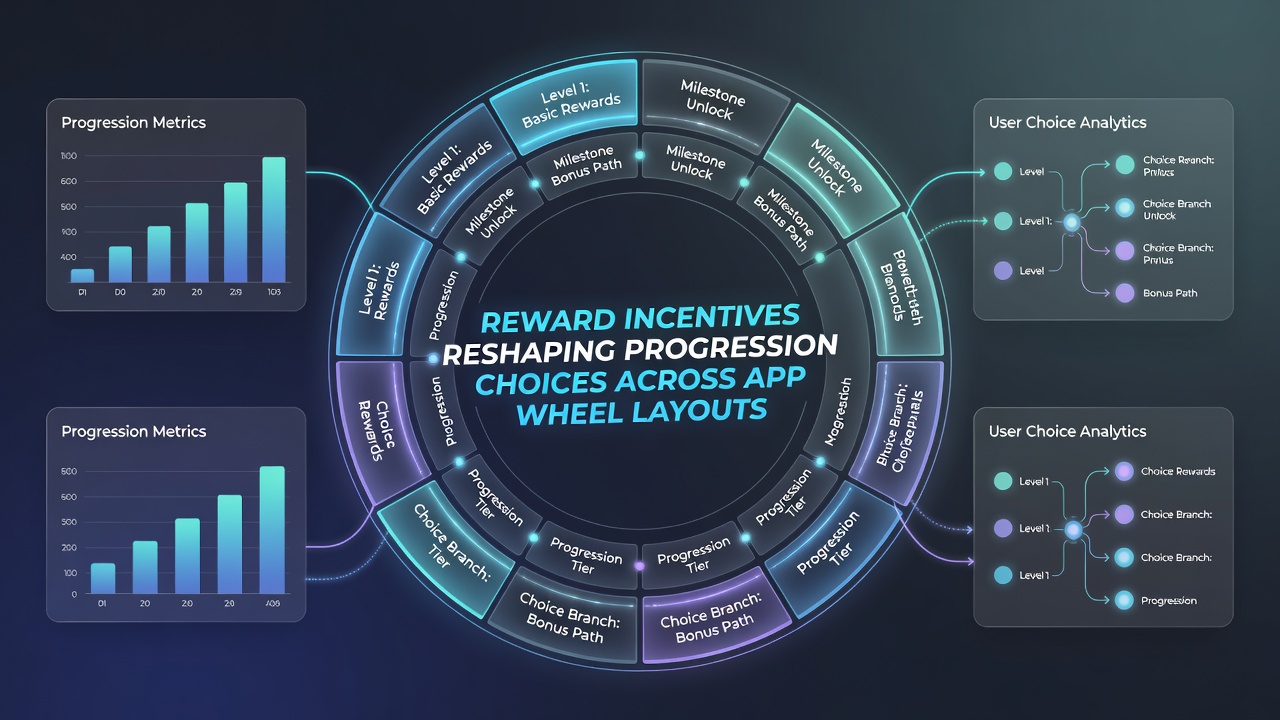
Regional Data Patterns and Operator Responses
Operators in regulated markets have responded to these patterns by refining reward delivery timing, and Australian regulatory summaries from the same quarter showed parallel increases in hybrid progression usage when reward caps reset weekly. Users in those markets encountered prompts that highlighted remaining spins on each wheel type, prompting quicker transitions between American and European formats within single sessions. Canadian provincial gaming reports similarly tracked elevated session counts when reward incentives aligned with wheel-specific bonus rounds, and the data revealed that players retained longer progression chains when the incentive structure rewarded consecutive sector hits rather than total wager volume alone.
App analytics teams now segment user cohorts according to progression style and reward redemption speed, allowing operators to test layout rotations that maximize engagement under each incentive model. The resulting A/B trials indicate that rotating wheel formats mid-session while displaying active reward progress increases the likelihood of users experimenting with mixed progression approaches. Figures from operator dashboards reveal that these experiments occur more frequently when reward notifications include projected outcomes for both wheel types, reducing the cognitive load of switching layouts.
Interface Limitations and Strategy Adaptation
Screen size constraints in mobile environments limit the simultaneous display of progression history and wheel probability overlays, and developers have compensated by introducing collapsible panels that users activate after reward thresholds are met. This design choice has produced measurable changes in how often players review and revise their step sequences, particularly when moving from single-zero to double-zero wheels. Observers tracking in-app behavior note that users who expand these panels during active incentives maintain steadier adherence to chosen progressions than those who close the panels early.
Cross-platform compatibility updates rolled out in mid-2026 further standardized reward presentation across iOS and Android clients, and the uniformity appears to have narrowed regional differences in progression selection speed. Data from aggregated app telemetry shows that standardized displays correlate with faster adoption of sector-focused betting when users switch wheel layouts under active bonus conditions.
Conclusion
Reward incentives continue to serve as primary drivers for how users modify progression choices when navigating different wheel layouts inside mobile applications, and ongoing regulatory filings together with operator analytics document these interactions at scale. The interplay between incentive timing, wheel configuration, and interface elements produces consistent behavioral patterns across markets, while updates scheduled for later periods are expected to refine these mechanisms further. Those examining the data can trace direct links between reward structures and the tactical adjustments players make during app sessions.