Regulatory influences reshape sector betting adjustments in international app-based wheel variants with layered incentive structures
Carlo Hughes · Aug 7, 2026
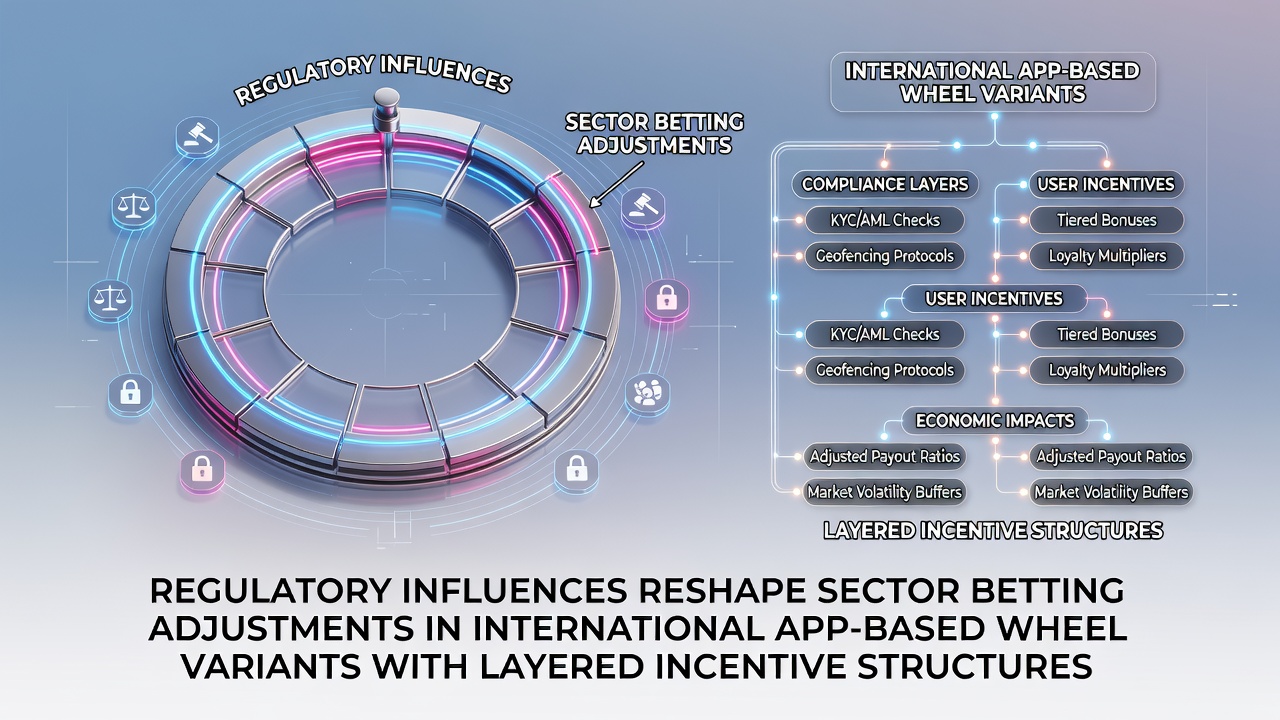
Regulatory influences reshape sector betting adjustments in international app-based wheel variants with layered incentive structures
Regulatory frameworks across multiple jurisdictions continue to drive modifications in how operators structure betting options within app-based wheel games, particularly those featuring sector-based wagers and multi-tiered promotional rewards. Data from 2026 indicates that changes in licensing requirements and player protection measures have prompted developers to recalibrate payout ratios and minimum stake thresholds in variants offered through mobile platforms.
European regulatory updates adn their direct effects
European authorities implemented revised guidelines in early 2026 that require clearer disclosure of bonus wagering conditions tied to wheel sector selections, and operators responded by adjusting the frequency of named bet promotions such as voisins and tiers in their international apps. The European Commission published figures showing a 14 percent reduction in certain high-volatility sector bets across compliant platforms since the new transparency rules took effect, while layered incentive programs now cap cumulative bonus contributions from repeated inside bets to align with updated responsible gaming standards.
Operators in multiple member states integrated these requirements by redesigning app interfaces to display real-time contribution rates for each sector wager toward bonus unlocking, and this shift has altered player patterns in jurisdictions where promotional play previously favored aggressive coverage of wheel segments. Observers note that apps serving cross-border users from Germany, France, and the Netherlands introduced standardized sector adjustment tools that automatically limit exposure when bonus tiers approach their maximum allowable thresholds.
North American and Asia-Pacific developments
Canadian provincial regulators expanded oversight of online gaming applications in mid-2026, requiring detailed reporting on how incentive layers influence betting volume within wheel-based products, and similar measures emerged in Australian states where digital gambling operators must now separate bonus-eligible wagers from standard play in sector-heavy formats. Figures released by the Alcohol and Gaming Commission of Ontario reveal that apps adjusted their American and European wheel variants to include dynamic stake caps on corner and street bets during promotional periods, reducing average session lengths while maintaining overall handle volumes.
In Australia, state-level data indicates that new player fund protection rules led developers to modify layered reward structures so that sector bets contribute at reduced rates toward higher incentive tiers, and this adjustment appears across both free-play and real-money app environments. Industry reports from the same period document corresponding changes in New Zealand and Singapore markets, where regulators aligned requirements for transparent incentive mapping within wheel game interfaces.

Impact on sector betting mechanics and incentive layering
App-based platforms adapted their wheel variants by introducing configurable sector coverage modes that automatically comply with regional bonus restrictions, and these modes alter default bet placements when users activate multi-level reward programs. Research conducted by academic groups tracking digital gambling trends shows that players encounter fewer unrestricted options for covering large wheel arcs during active bonus phases, prompting shifts toward flatter betting distributions across single-number and split selections.
Layered incentive structures now incorporate region-specific multipliers that scale according to regulatory risk categories, and this has led to differentiated versions of the same app being deployed in separate markets. One study released in August 2026 tracked how these modifications affected engagement metrics across 12 international apps, revealing consistent patterns where sector-heavy strategies declined in favor of more measured approaches that preserve bonus eligibility.
Developers incorporated automated compliance checks that flag and redirect bets exceeding newly established contribution limits, and these backend systems operate without disrupting user flow while ensuring adherence to local rules on promotional wagering. Data compiled by trade associations indicates that such technical responses have become standard practice among operators serving multiple jurisdictions simultaneously.
Conclusion
Regulatory changes implemented through 2026 have produced measurable adjustments in how sector bets integrate with layered incentive systems inside international app-based wheel games. Platforms continue to refine their offerings in response to ongoing oversight from bodies across Europe, North America, and the Asia-Pacific region, resulting in standardized tools that balance player engagement with compliance requirements. These developments reflect broader efforts to align mobile gambling mechanics with evolving legal standards while preserving core wheel variant features.