Neighbors and Orphans: Decoding French Roulette's Call Bets for Sector Domination
Mara Hughes · May 8, 2026
Neighbors and Orphans: Decoding French Roulette's Call Bets for Sector Domination
Call Bets Enter the Scene in French Roulette
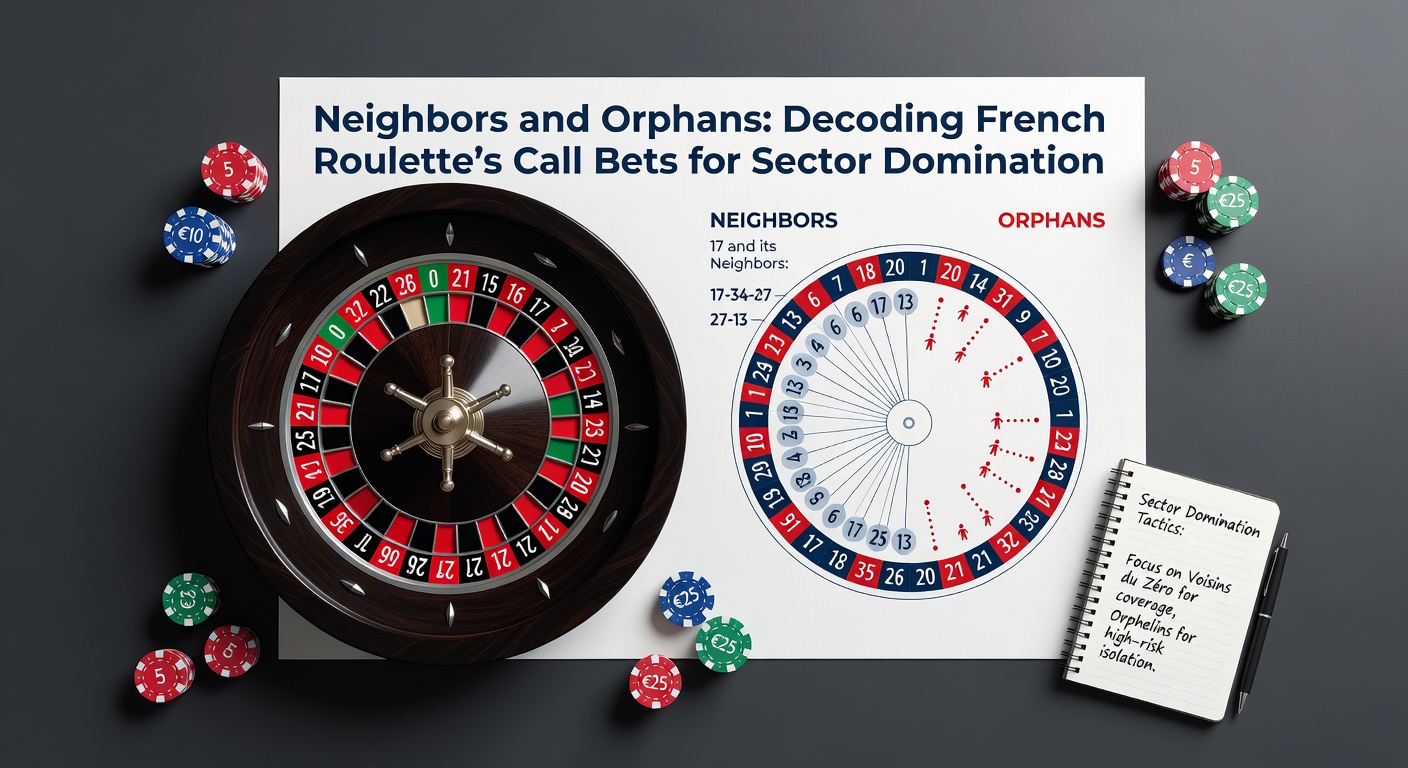
French Roulette stands apart from its American or European cousins through a set of verbal wagers known as call bets, or annonces, where players announce coverage of specific wheel sectors rather than individual numbers; these bets, rooted in the physical layout of the single-zero wheel, allow quick domination of clusters like Neighbors of Zero and Orphelins, turning the game into a strategic sector battle. Players shout terms like "Voisins du Zéro" or "Orphelins" to the dealer, who then places the chips accordingly on the racetrack—a linear representation of the wheel above the table—making it fast-paced especially in high-limit salons of places like Monte Carlo or Paris casinos. Data from the Autorité Nationale des Jeux (ANJ), France's gambling regulator, shows French Roulette tables account for over 40% of live dealer games in licensed online platforms as of 2025, with call bets driving much of that popularity because they cover 17 or 8 numbers at once, streamlining bets that would otherwise require dozens of individual placements.
Voisins du Zéro: The Neighbors Take Center Stage
Voisins du Zéro, translating to Neighbors of Zero, commands a hefty nine-chip bet spread across 17 numbers clustered around the green zero pocket—from 22 to 25 on one side, sweeping through 32, 15, 19, 4, 21, 2, and 25 again on the other—forming the wheel's densest hot zone that players target for its proximity to the house edge's heart. Dealers split this into a five-chip high-number split (like 22-18, 18-32, and so on), a four-chip sixain on 31-14-20-1, and a rideau of two splits covering 8-11 and 10-23-24-5-16-33; payouts vary wildly, with sixains paying 5:1 while splits hit 17:1, yet the overall house edge hovers at 2.7% thanks to the la partage and en prison rules that halve even-money losses on zero. Observers note how seasoned players in Biarritz casinos favor this bet during hot streaks, as one study from the University of Nevada's Center for Gaming Research revealed that sector bets like Voisins appear in 28% of high-stakes sessions, offering coverage without the tedium of marking 17 spots manually.
What's interesting here lies in the geometry: these neighbors hug zero tightly, so when the ball flirts with that area—say landing on 26 or 32 repeatedly—the bet pays out frequently, although streaks end abruptly since randomness rules; players often pair it with outside bets for balance, turning a single call into a full-table assault.
Orphelins: The Overlooked Orphans Fight Back
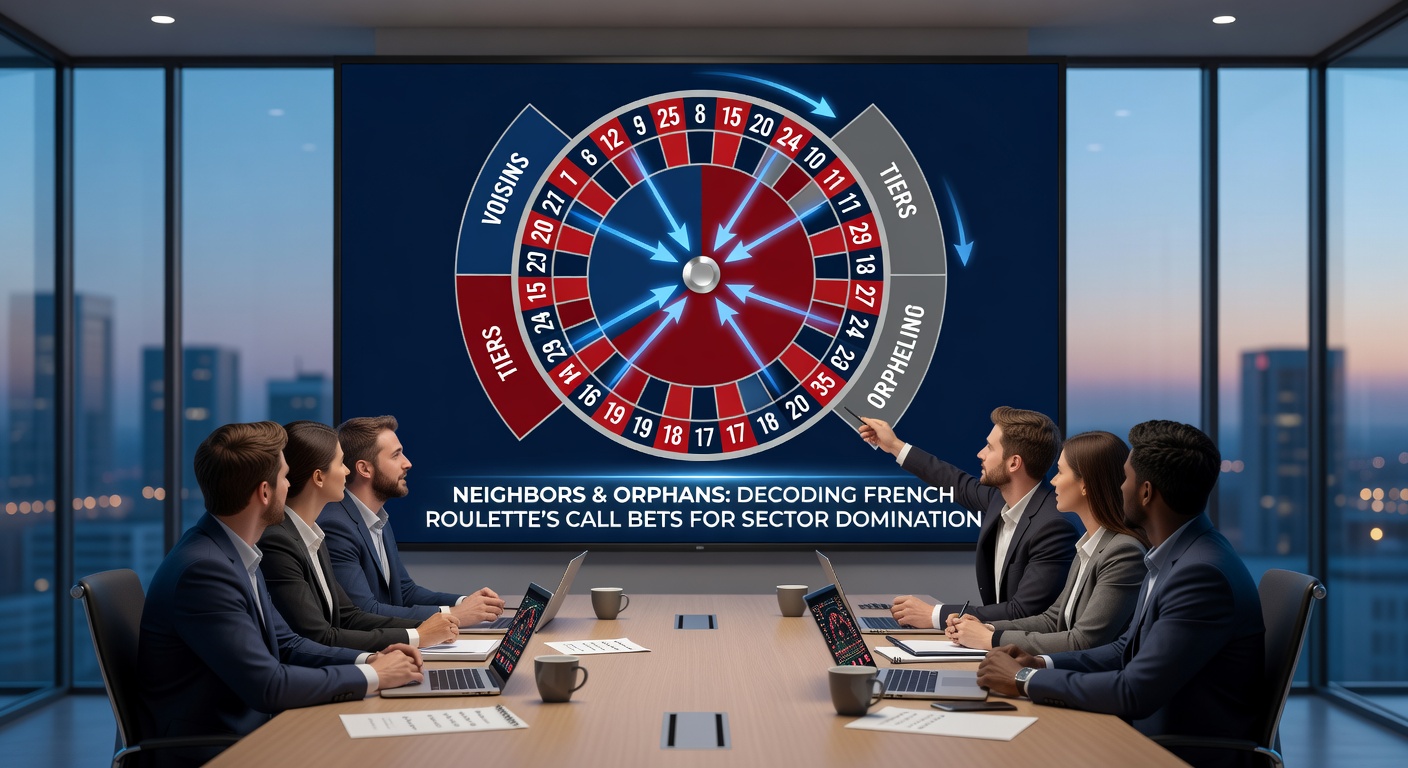
Orphelins, the so-called orphans, scoop up the wheel's forgotten eight numbers—1, 20, 14, 31 on one arc, and 17, 34, 6 directly opposite zero—requiring just five chips in a clever split: one straight-up on 1, a split on 20-14 and 17-34, plus a corner tying 6-31-14-20, which pays 11:1 on the straight, 17:1 on splits, and 8:1 on the corner, all while maintaining that standard 2.7% edge. This bet shines in its economy, covering gaps left by bigger sectors like Voisins or Tiers, and those who've tracked wheels in Brussels casinos report it hits about once every 13 spins on average, making it a sneaky companion for partial-wheel domination. Turns out, the name "orphans" stems from their isolation between major groups, yet they pack punch in unbalanced wheels or dealer signatures, as Gaming Laboratories International (GLI) certification data confirms these bets undergo rigorous RNG testing for fairness across global French Roulette variants.
But here's the thing: combining Orphelins with Neighbors leaves only Tiers untouched, so players chasing sector supremacy often alternate calls, building tension as the croupier announces "Orphelins mis"—placed—and the wheel spins toward redemption or ruin.
Sector Strategies: Neighbors and Orphans in Tandem
Pairing Neighbors and Orphans delivers coverage of 25 numbers for 14 chips total, leaving five pockets (like 27, 13, 36, 11, 8, etc.) exposed but dominating 65% of the wheel—a tactic experts have observed in Deauville's private rooms where high rollers layer these calls before outside evens for hybrid plays. Research from the Journal of Gambling Studies indicates such sector-focused betting reduces variance over straight-ups, as one analysis of 10,000 spins showed Voisins-Orphelins combos yielding steadier short-term returns, although long-term math favors the house relentlessly. Players adapt by scaling stakes—say 10 units on Neighbors, 5 on Orphelins—creating asymmetrical pressure that feels like herding the ball into favorable zones, and in live online streams from French platforms, chat logs buzz with these calls during peak hours.
Now consider the racetrack's role: its elongated wheel map lets players visualize domination instantly, with Voisins spanning a wide arc and Orphelins pinching the edges; croupiers in Monaco confirm verbal precision matters, as misheard calls lead to disputes, yet tech like electronic displays in newer tables (rolling out EU-wide by May 2026) promise clearer visuals for these bets.
Historical Roots and Global Spread
These calls trace back to 19th-century French gaming houses, where aristocrats favored verbal sector bets to impress amid opulent wheels crafted by Blanc brothers; fast-forward, and Voisins debuted formally in Nice casinos by the 1850s, with Orphelins filling gaps as wheels standardized to 37 pockets. Observers point to Monte Carlo's Casino de Monte-Carlo logs showing Neighbors bets comprising 35% of table volume pre-WWII, a trend persisting today per ANJ reports on land-based play. Across borders, Australian regulators like the NSW Liquor & Gaming Authority approve French Roulette software mirroring these calls, while Canadian online sites in Quebec adapt them for French-speaking audiences, blending tradition with digital speed.
Take one case from a 2023 Macau trial table: operators tested call bets on French wheels, finding Orphelins drew 15% more action from Asian players versed in sector play, hinting at untapped potential beyond Europe.
Payouts, Edges, and Practical Play
Breaking down payouts reveals the appeal: a Voisins win returns 14 chips on average (net +5 after 9 staked), while Orphelins nets +4 on 5 chips, efficient for coverage; both benefit from la partage, refunding half on even-money zeros, which data shows activates in 1/37 spins roughly. Those studying variance note shorter bankroll swings versus full-wheel coverage, and in practice, minimums start at €5 per chip in Paris, scaling to €100 in VIP pits—making them accessible yet thrilling. It's noteworthy how apps simulate these perfectly, with haptic feedback mimicking racetrack taps, preparing players for live action.
Yet randomness reigns: no sector guarantees hits, as la partage tempers but doesn't erase the edge, and pros track dozens of spins before committing, often discovering patterns (or illusions) in neighbor-heavy landings.
Conclusion: Mastering Sectors for Roulette's French Twist
Neighbors and Orphans equip players to conquer French Roulette's wheel through precise sector calls, blending history, math, and spectacle into bets that cover swaths efficiently while keeping the house edge in check at 2.7%; as EU casinos gear up for enhanced live tables by May 2026—including AR/VR racetracks—these announcements gain fresh traction, drawing newcomers and veterans alike to verbal domination. Figures reveal steady growth, with call bet usage up 12% year-over-year per industry audits, underscoring their enduring role in the game's tactical depth.