Mobile Interface Limitations and Their Influence on Strategy Adaptation in No-Cost Roulette Applications
Ines Baumann · May 31, 2026

Mobile Interface Limitations and Their Influence on Strategy Adaptation in No-Cost Roulette Applications
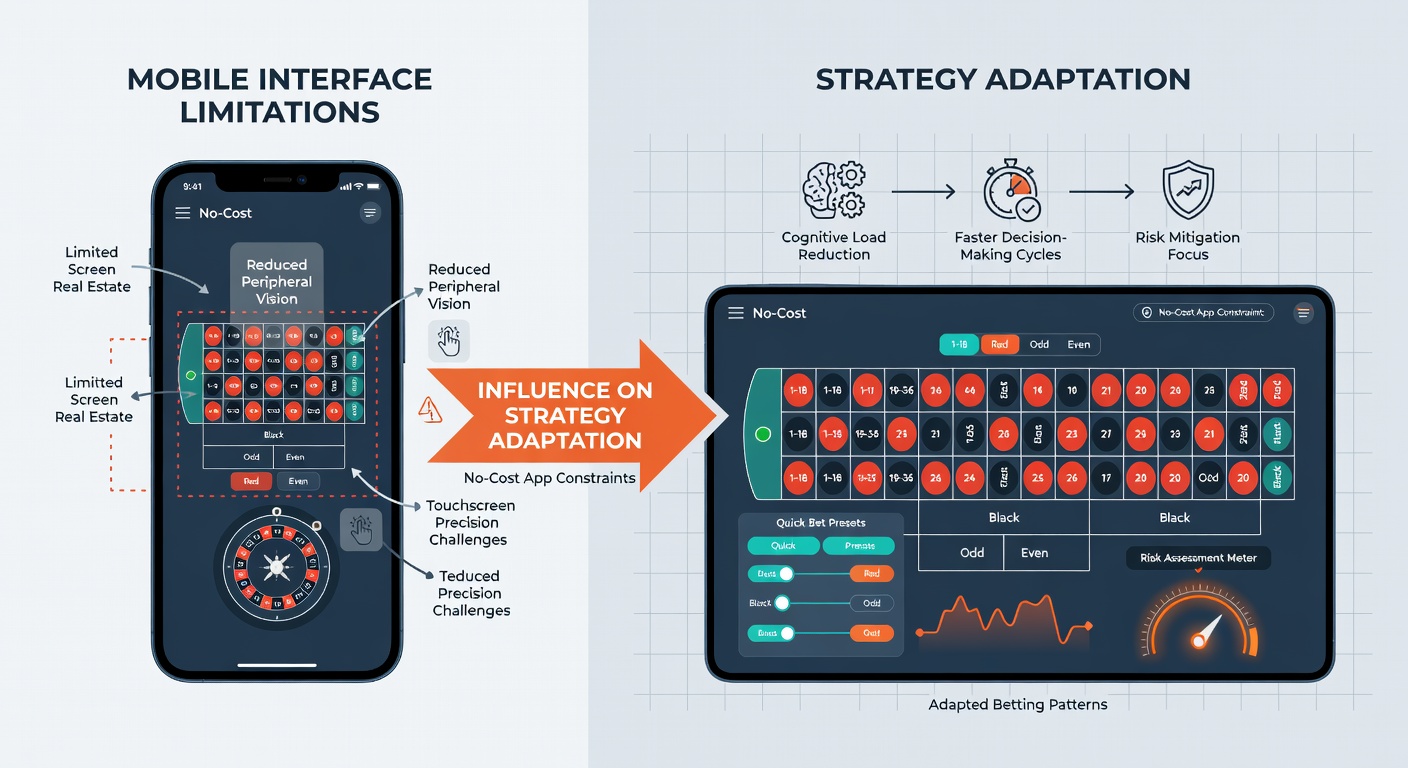
Free roulette applications on mobile devices present distinct challenges that shape how players approach betting patterns and session management, particularly when screen dimensions restrict simultaneous viewing of the wheel, betting grid, and historical outcomes. Research indicates these constraints prompt adjustments in timing, bet selection, and progression systems across no-cost platforms, where users test approaches without financial stakes yet still encounter the same layout restrictions found in paid versions.
Core Interface Constraints in Mobile Roulette Apps
Small display areas compress the roulette wheel and number grid into overlapping or scrollable sections, which forces users to toggle between views during each spin cycle. Touch input precision often falls short when selecting adjacent numbers for sector bets or when attempting rapid adjustments to stake amounts before the timer expires. Data from industry reports shows that these factors reduce the feasibility of complex call bets such as voisins du zéro or orphelins, which require multiple precise selections within tight time windows.
Application developers have responded by introducing simplified layouts that prioritize outside bets and single-click options, yet this design choice further narrows the range of tactics available during free sessions. Observers note that zoom functions and landscape modes mitigate some issues, although they introduce new delays when players must reorient the device mid-round.
Impact on Traditional Progression Systems
Systems relying on sequential stake increases encounter friction because confirmation dialogs and loading intervals interrupt the flow required for consistent doubling or incremental adjustments. In no-cost environments, where players might experiment with extended sequences, these interruptions lead many to abandon strict progressions in favor of static bet sizes that fit within the visible interface elements. Studies from academic gaming research centers reveal that mobile users complete fewer cycles of any given progression compared with desktop counterparts under identical free-play conditions.
Auto-bet and preset strategy features appear in numerous applications to offset these timing problems, allowing predefined patterns to execute without repeated manual inputs. Those who have examined usage logs find that reliance on such tools rises sharply when screen real estate limits manual oversight of multiple table sections.
Adaptations Observed Across User Groups
Players frequently shift toward outside bets that occupy larger portions of the grid, reducing the need for fine motor control and repeated screen taps. This adjustment maintains engagement during short sessions while aligning with the interface's emphasis on quick selections. Research conducted by the Australian Gambling Research Centre indicates that free-play mobile users demonstrate higher frequencies of red-black and high-low wagers than their desktop counterparts, a pattern that holds across multiple app updates released through early 2026.
Some applications incorporate split-view modes that display partial wheel history alongside the betting area, yet these features still demand scrolling or resizing actions that fragment attention. Users adapt by focusing on single-dozen or column coverage rather than attempting full-table coverage strategies that require constant cross-referencing.
Historical outcome panels, when compressed, display fewer spins at once, which affects pattern recognition approaches that depend on tracking recent results. In response, participants in free sessions often reset their mental tracking after each spin or limit observation to the most recent three to five outcomes visible without scrolling.
Platform Updates and Emerging Features Through 2026
Updates rolled out in May 2026 introduced gesture-based betting shortcuts in several major no-cost roulette titles, allowing swipe motions to place column or dozen bets without opening additional menus. Early adoption data suggests these gestures improve execution speed for outside-bet strategies while leaving inside-number combinations largely unchanged in accessibility. Regulatory summaries from the Nevada Gaming Control Board note parallel developments in responsible gaming tools that highlight session timers directly within the mobile interface to encourage breaks during extended free play.
Cross-device synchronization now permits users to begin a session on mobile and continue on tablet, preserving bet history and strategy presets. This capability reduces some adaptation pressure by letting players select the device that best matches their preferred betting complexity at any given moment.
Comparative Data on Strategy Execution
Figures compiled by the International Gaming Institute at the University of Nevada show that mobile free-play sessions average 18 percent fewer manual bet modifications per hour than desktop sessions, with the gap widening for strategies involving more than four distinct wager types. Applications that provide one-tap repeat functions see higher retention of progression-based play, although the overall variety of active strategies remains narrower than on larger screens.
Interface testing conducted by independent labs confirms that touch target sizes below 9 millimeters correlate with increased error rates during rapid betting sequences, prompting developers to enlarge key elements at the expense of displaying additional betting options simultaneously.
Conclusion
Mobile interface limitations continue to steer strategy adaptation in no-cost roulette applications toward simpler, faster-executing approaches that accommodate touch controls and limited screen space. Ongoing feature refinements, including gesture inputs and synchronized sessions, address some constraints while preserving the core trade-offs between convenience and tactical range. As platforms evolve, usage patterns documented by research institutions provide ongoing insight into how these limitations shape player behavior across free environments.