10 Apr 2026
Indiana's Electronic Pull Tabs Hit $75.6 Million Mark in First Three Months After Launch

The Quick Launch and Surprising Revenue Surge
Electronic pull tabs, a digital twist on traditional charitable gambling, burst onto the scene in Indiana with legalization in 2025 specifically for veterans’ and fraternal organizations, and now, as of April 2026, data reveals they generated about $75.6 million in gross revenue during their first three months since launching on December 30, 2025; that's a figure straight from early reports highlighting how quickly this tech caught on statewide.
Organizations jumped in fast, turning what started as paper-based pull tabs into electronic versions that mimic the thrill of pulling a tab but on screens, allowing for faster play and broader access, while keeping the charitable focus intact; turns out, the move paid off almost immediately, with revenues pouring in to support everything from daily operations to community givebacks.
But here's the thing: not every eligible group dove right in, yet the numbers show widespread enthusiasm, setting the stage for what observers note could reshape charitable gaming in the Hoosier State.
Legal Backdrop and What Made This Possible
Indiana lawmakers greenlit electronic pull tabs back in 2025 as part of efforts to modernize charitable gambling, targeting veterans’ groups and fraternal organizations like VFW posts and Elks lodges that have long relied on paper pull tabs for fundraising; the change came after debates on balancing tradition with technology, ultimately allowing these entities to install devices that deliver instant results without the waste of physical tabs.
Eligible outfits numbered 581 across the state, a mix of halls in small towns and bigger cities, each vetted for their nonprofit status; by early 2026, 518 of them—nearly 90%—had adopted the tech, installing almost 2,800 devices in total, from standalone machines to setups in community spaces where members gather for events.
What's interesting here lies in the rapid rollout: organizations that embraced it saw devices light up venues overnight, drawing players who appreciated the familiarity of pull tabs but with electronic speed, all while funnelling proceeds back into their missions.
Devices Deployed: From Halls to Statewide Network
Nearly 2,800 electronic pull tab devices now dot Indiana's landscape, placed in eligible organizations' facilities where they hum with activity during peak hours; these aren't flashy casino slots but straightforward screens offering games based on classic pull tab mechanics, regulated to ensure fairness and charitable intent.
Take one typical VFW hall in a mid-sized city: operators there installed a cluster of machines near the bar, watching as members and guests tried their luck, generating steady revenue that covers bills and beyond; data from the initial period shows this pattern repeated statewide, with devices averaging high usage rates since the December 30 kickoff.
And while some spots started small with just a handful of units, others went big, contributing to that statewide total that experts tracking gaming trends say marks a solid debut for the format.
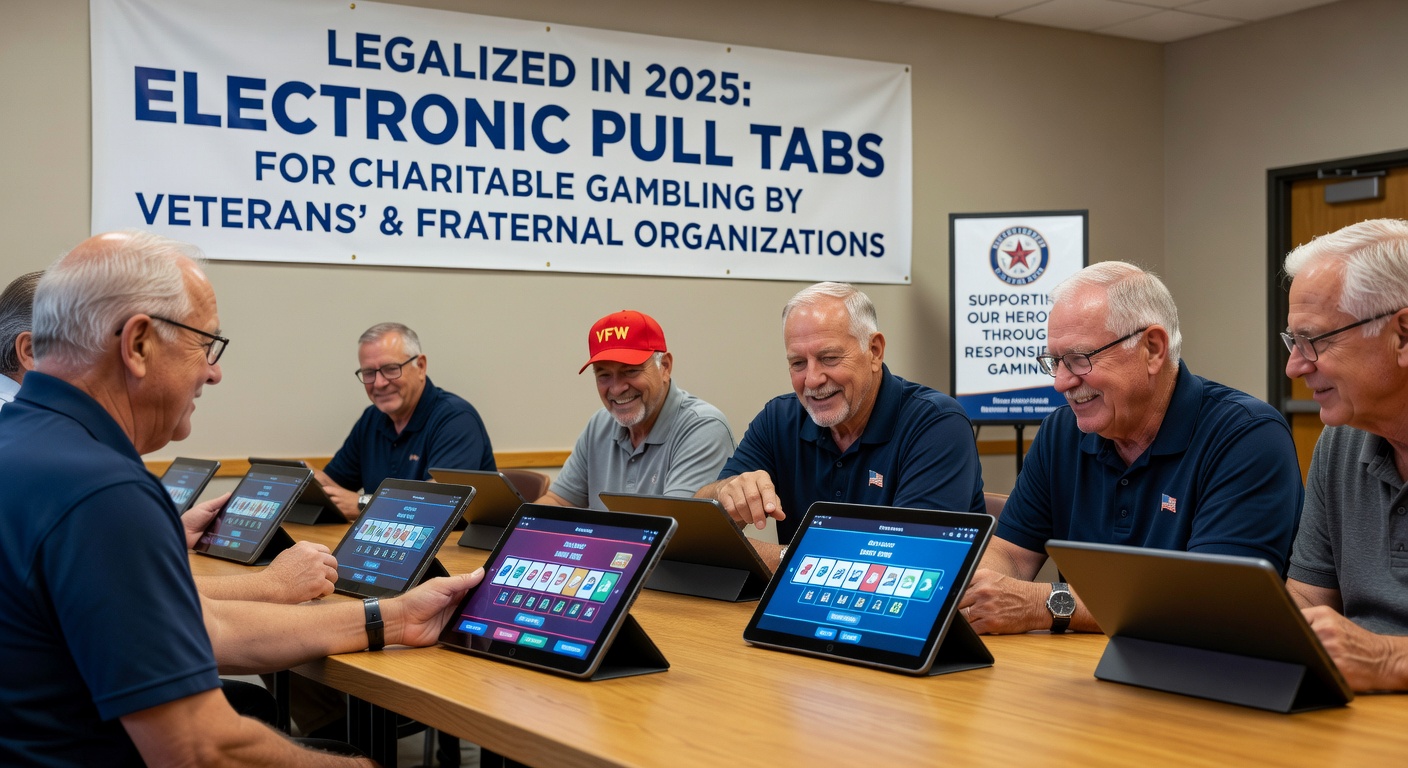
Where the Money Goes: Operations, Communities, and Repairs
Gross revenue of $75.6 million in those opening three months breaks down into tangible supports for the organizations, funding operational costs like utilities and staff, community distributions such as scholarships or local aid programs, and facility repairs from roof fixes to hall upgrades; according to Indiana Capital Chronicle reporting, this influx helps sustain groups that serve veterans and fraternal members amid rising expenses.
Figures reveal how the cash flows directly to missions: one organization might channel funds to renovate a meeting space damaged by weather, while another distributes to food pantries or youth sports; it's noteworthy that this revenue model echoes traditional pull tabs but amplifies it through electronic efficiency, allowing more plays and thus more proceeds without increasing overhead dramatically.
People who've studied charitable gaming patterns observe that such uses keep the focus on goodwill, ensuring devices serve as tools for community good rather than profit centers.
Indiana Gaming Commission's Role in Oversight
The Indiana Gaming Commission steps in as the key regulator, licensing devices, monitoring play for integrity, and collecting excise taxes on the activity; as of April 2026, the agency awaits full financial assessments from the 518 adopting organizations to gauge net impacts beyond gross figures.
Regulators enforce rules like age checks and payout limits, ensuring electronic pull tabs align with charitable gambling laws that cap prizes and prioritize proceeds for nonprofit causes; this setup, observers note, prevents the drift into commercial gaming territory, keeping things grounded in the organizations' ethos.
So far, compliance holds strong, with the commission's data collection poised to offer deeper insights into long-term viability by mid-2026.
Adoption Stats and What They Signal
Out of 581 eligible entities, 518 embraced electronic pull tabs swiftly, leaving just 63 on the sidelines—perhaps waiting to assess viability or handling logistics; this high uptake rate, clocking in at about 89%, underscores the appeal for groups needing reliable fundraising amid economic pressures.
Devices spread evenly enough, with clusters in populated areas driving bigger chunks of that $75.6 million, yet rural halls contributed too, proving the tech's adaptability; turns out, training operators took minimal time, letting most sites go live within weeks of approval.
Experts who've tracked similar rollouts elsewhere point out that Indiana's numbers outpace expectations, hinting at sustained growth as word spreads among holdouts.
Early Trends and Ongoing Monitoring
Three months in, patterns emerge: peak play happens evenings and weekends when organizations host events, boosting device utilization; revenues support not just immediate needs but longer-term projects, like expanding services for veterans returning from service.
Yet the commission's full assessments, due soon after April 2026 reports, will clarify net charitable contributions after taxes and costs; data indicates excise collections already aid state coffers, creating a win-win where organizations thrive and regulators maintain order.
It's interesting how this blends old-school gambling with new tech, preserving the social fabric of fraternal gatherings while injecting fresh funds.
Conclusion
Electronic pull tabs stand as a fresh chapter in Indiana's charitable gaming story, delivering $75.6 million in gross revenue from December 30, 2025, through early 2026, with 518 of 581 eligible organizations deploying nearly 2,800 devices to fuel operations, community aid, and repairs; under the Indiana Gaming Commission's watchful eye, this launch sets a benchmark, as full financials loom to paint the complete picture. Observers anticipate refinements ahead, but the initial surge signals strong potential for these veterans’ and fraternal mainstays to keep rolling strong.