How Bonus Tiers Reshape Sector Coverage Tactics in App-Based European and American Wheel Formats
Carlo Hughes · May 29, 2026
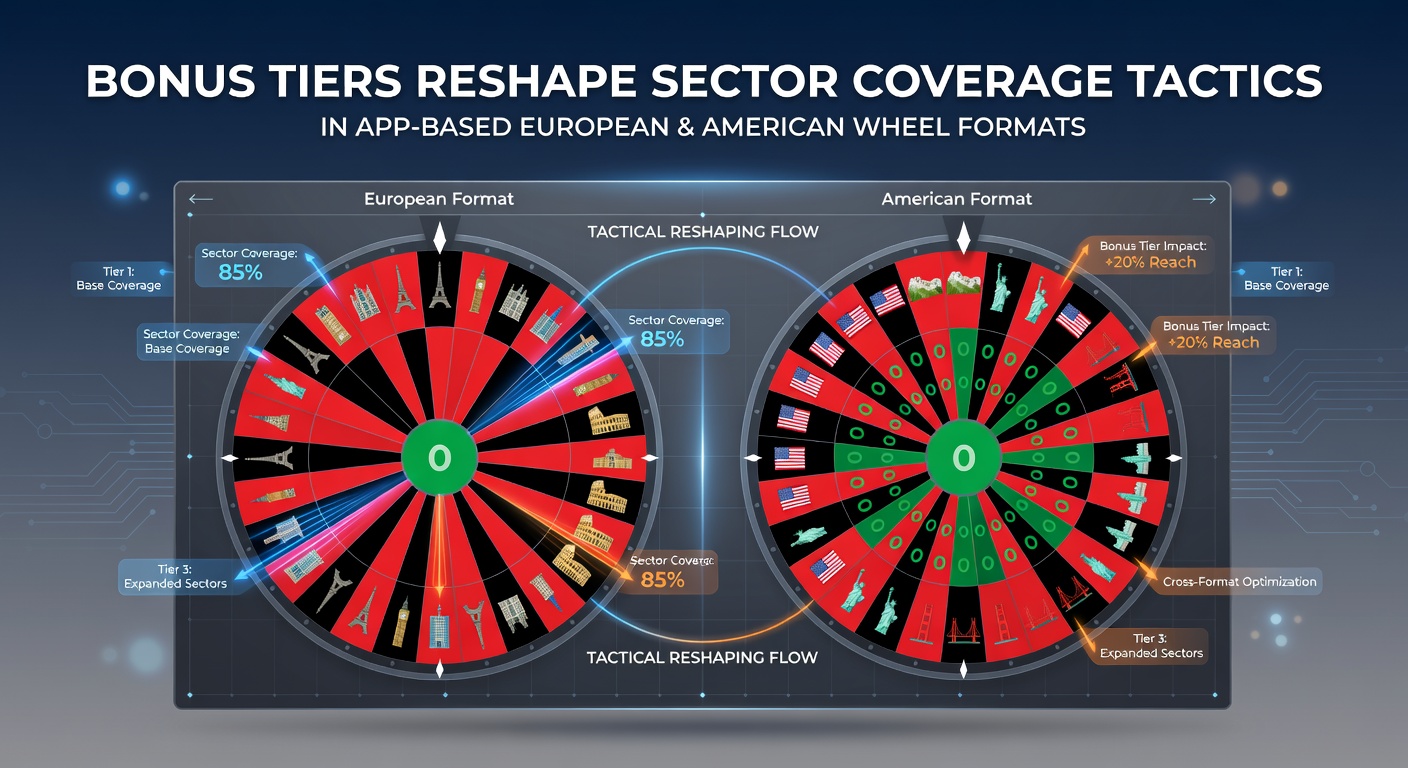
How Bonus Tiers Reshape Sector Coverage Tactics in App-Based European and American Wheel Formats
App-based roulette platforms organize player rewards into structured bonus tiers that directly influence how users allocate bets across wheel sectors, and these mechanics differ notably between European single-zero layouts and American double-zero configurations. European wheels contain 37 pockets while American versions hold 38, creating distinct payout ratios and coverage requirements that bonus conditions amplify during promotional periods.
Bonus Tier Structures in Digital Roulette Environments
Platforms segment rewards into progressive levels such as entry, intermediate, and premium categories, each tied to deposit volume, play frequency, and account tenure, while these tiers impose specific wagering multipliers that affect sector bet sizing. Data from regulatory filings indicate that higher tiers unlock increased maximum bet limits on grouped number combinations, allowing players to cover larger portions of the wheel without exceeding platform caps during active promotions.
European format apps often adjust tier benefits around the single zero's lower house edge, whereas American format apps incorporate the additional double zero into risk calculations that scale with tier advancement. Observers note that tier progression frequently correlates with access to sector-specific multipliers, where players receive enhanced returns on bets covering voisins or orphans groups when certain thresholds are met.
Sector Coverage Adjustments Across Wheel Types
Players in European wheel apps tend to expand coverage to include the zero-adjacent sectors more aggressively once they reach mid-level tiers, because the reduced house edge permits sustained play under wagering requirements. American wheel apps show different patterns where double-zero sectors receive targeted attention in higher tiers to offset the increased variance introduced by the extra pocket.
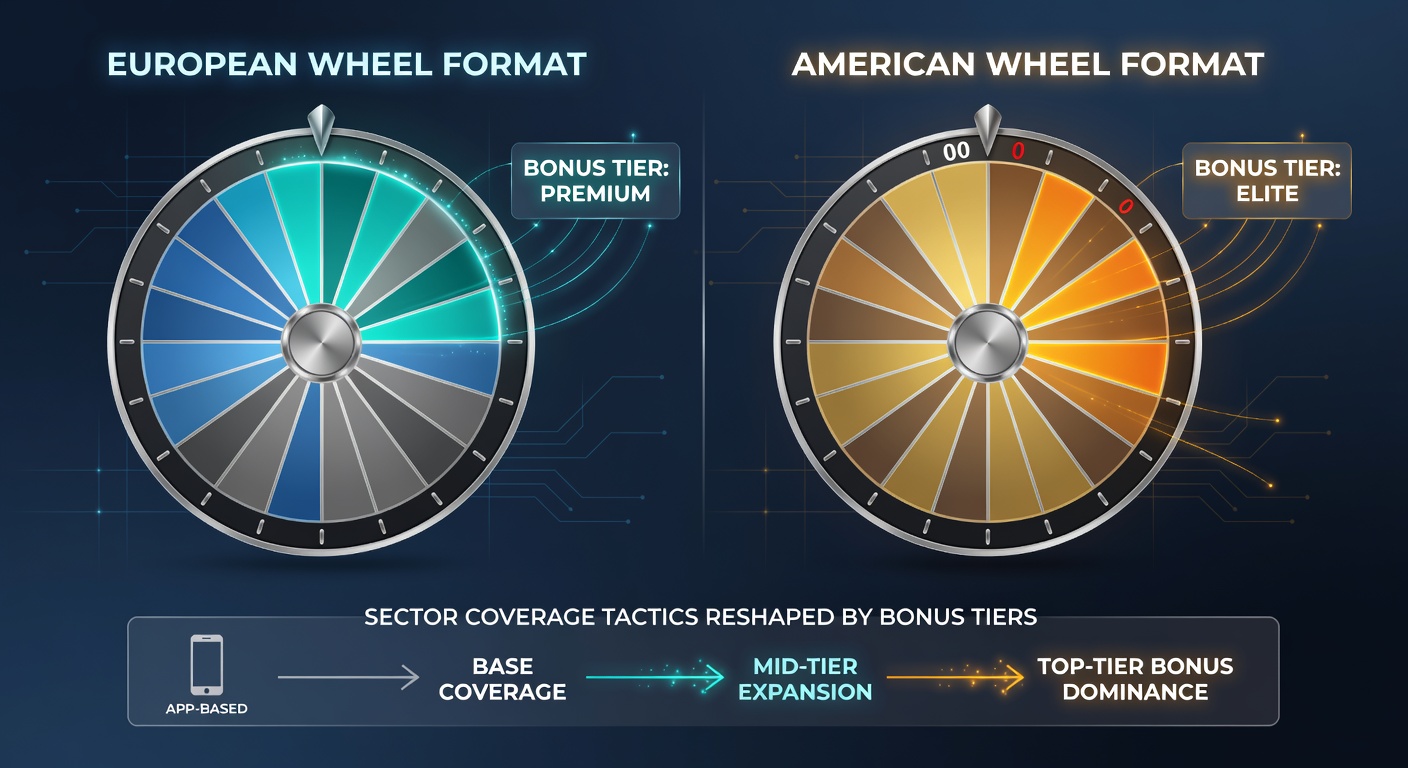
Research from industry reports reveals that tiered bonuses encourage shifts from flat betting across the entire layout toward concentrated sector plays, particularly when apps introduce time-limited multipliers tied to specific wheel segments. In European formats the single zero allows tighter sector clusters to meet playthrough conditions more efficiently, while American formats require broader spreads to account for the added pocket and maintain equivalent coverage percentages.
App Mechanics and Promotional Integration in 2026
During May 2026 several major app operators updated their tier systems to include dynamic sector weighting that responds to real-time player activity, and these changes aligned bonus releases with wheel-specific events such as zero-focused tournaments. Regulatory data compiled by the Nevada Gaming Control Board shows increased sector bet volumes in American wheel apps following tier upgrades, while similar patterns appear in European markets under oversight from the Malta Gaming Authority.
Apps integrate these tiers through algorithmic tracking that monitors sector exposure relative to bonus balance, automatically suggesting adjusted coverage maps when players approach wagering thresholds. European wheel sessions often see tighter clustering around the zero area at premium tiers, whereas American sessions distribute coverage more evenly to mitigate the double-zero impact under the same bonus structures.
Comparative Data on Coverage Shifts
Industry analyses indicate that entry-level tiers produce minimal deviation from standard betting patterns across both wheel types, yet intermediate and premium tiers generate measurable increases in sector-focused activity. European apps record higher adoption of named bet combinations once tier benefits activate, while American apps demonstrate elevated use of split and street bets that span the double-zero region to balance risk distribution.
According to findings published by the American Gaming Association, these tier-driven adjustments maintain consistent return-to-player metrics when averaged over large player samples, although individual session outcomes vary based on wheel format and active bonus conditions. Platforms continue to refine these systems through updates scheduled throughout 2026 to align sector tactics with evolving regulatory frameworks in both European and North American jurisdictions.
Conclusion
Bonus tiers establish clear parameters that guide sector coverage decisions in app-based roulette, producing distinct tactical responses depending on whether the underlying wheel follows European or American specifications. The documented differences in bet distribution reflect the structural variations between the two formats while remaining within the operational guidelines set by platform operators and regulatory bodies. Continued monitoring through 2026 will clarify how these tier mechanisms evolve alongside new app features and jurisdictional requirements.