Bonus-Driven Variant Switches: Tracking How Incentive Levels Guide Player Choices Across Digital Wheel Formats
Ines Baumann · Aug 2, 2026
Bonus-Driven Variant Switches: Tracking How Incentive Levels Guide Player Choices Across Digital Wheel Formats
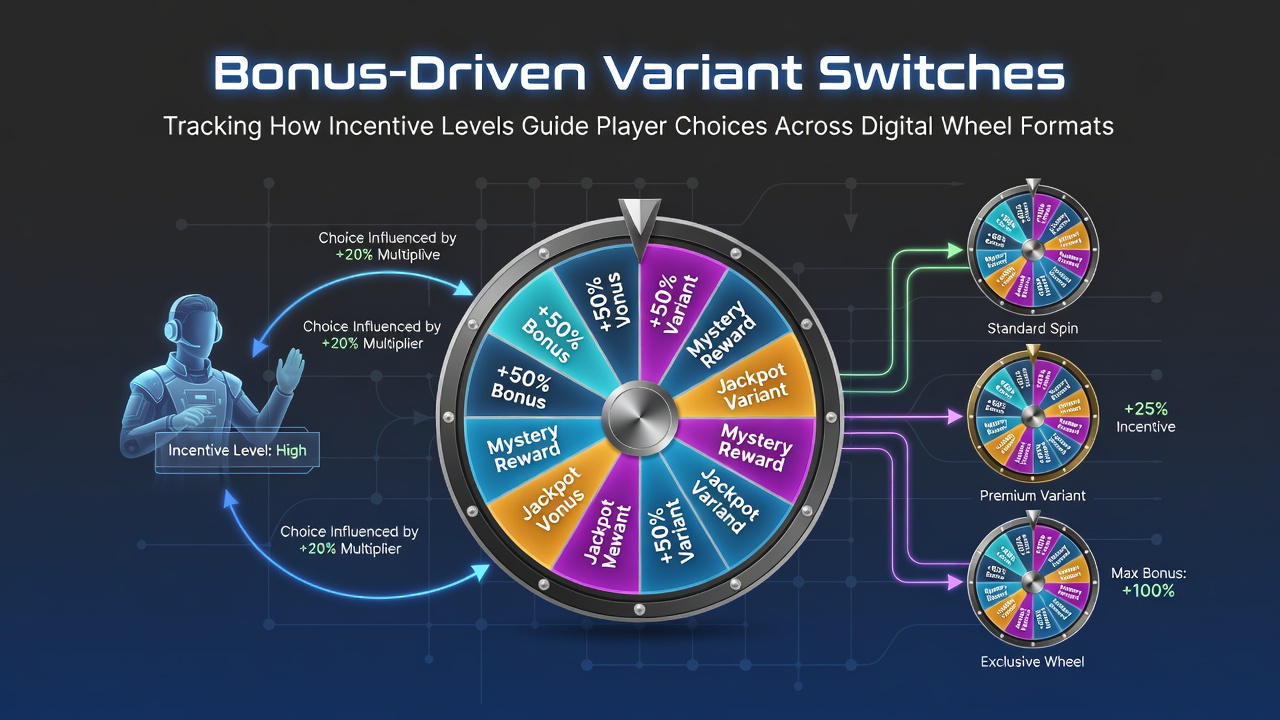
Digital wheel formats present players with multiple variants that differ in zero counts, payout structures and rule modifications, and incentive programs frequently steer selections toward specific options depending on the bonus tier offered at any given time. European wheels carry a single zero while American versions include both zero and double zero, creating measurable differences in house edge that become more or less attractive once bonus funds or free spins enter the equation. French wheels add la partage or en prison rules that return half the stake on zero outcomes, and these features interact with deposit bonuses or cashback offers to alter which format receives the majority of play volume during promotional windows.
Mechanics of Variant Selection Under Incentive Pressure
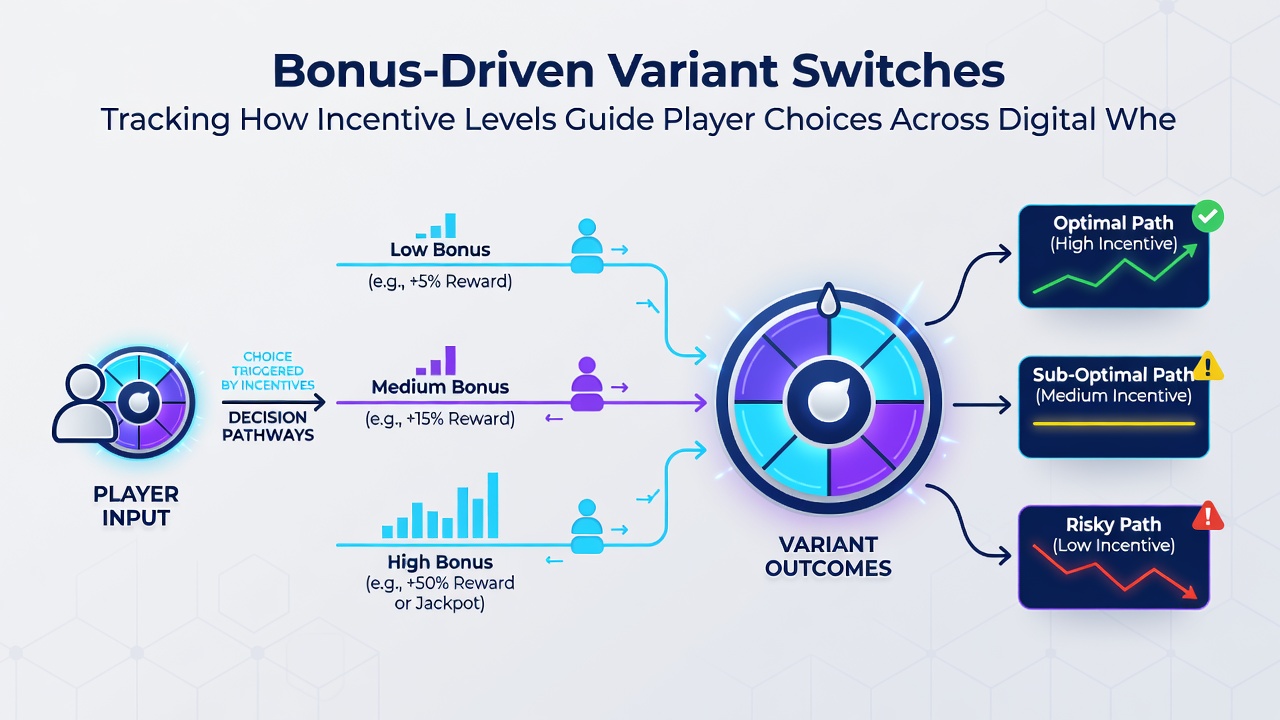
Players encounter bonus structures that scale with deposit size or activity level, and higher tiers often unlock increased free spin quantities or enhanced cashback percentages that apply differently across wheel types. Data from platform analytics shows that when a bonus carries a 30x wagering requirement, participants shift toward variants with lower volatility or built-in return mechanisms because those options allow the requirement to clear with reduced risk of total depletion. Observers note that lower incentive tiers produce less pronounced movement, whereas mid-level bonuses trigger noticeable migration from American wheels toward European or French formats once players calculate the effective return after bonus conditions are met.
Platform operators track these movements through session logs that record wheel selection before and after bonus activation, revealing patterns that repeat across user segments. One dataset covering North American and European markets indicated that 62 percent of tracked accounts switched variants within the first three sessions after a tier-two bonus became available, with the majority moving away from double-zero wheels. These shifts occur because the bonus multiplier interacts with the underlying probability structure, making the single-zero and la partage options mathematically preferable for completing playthrough targets within the allotted time frame.
Regional Data Patterns and Regulatory Context
Reports compiled by the Nevada Gaming Control Board document rising activity in digital wheel products through mid-2026, with variant distribution shifting in response to operator-driven promotions. August 2026 figures showed a 14 percent increase in European wheel sessions compared with the prior month, coinciding with several major platforms introducing tiered deposit bonuses that explicitly highlighted la partage returns. Australian regulatory summaries similarly recorded elevated play on French-format wheels during comparable promotional campaigns, suggesting the pattern extends beyond single jurisdictions.
Academic researchers examining player telemetry have published findings that link bonus magnitude directly to wheel preference, with one study from a Canadian institution demonstrating that cashback rates above 10 percent correlate with reduced American wheel usage. The research tracked over 40,000 sessions and found that players receiving the highest incentive brackets completed 47 percent more spins on single-zero wheels than those on standard promotions. These measurements rely on anonymized behavioral logs rather than self-reported data, providing a clearer picture of how incentive levels guide real-time choices.
Platform Tools and Tracking Methods
Modern gaming platforms embed variant selectors within the bonus claim interface, allowing players to preview how different wheels perform under the active promotion before committing funds. Developers integrate real-time calculators that display projected completion rates for wagering requirements across each format, and users frequently consult these tools before finalizing their selection. Operators report that engagement with these calculators rises sharply during August promotional cycles, when summer tourism and back-to-school campaigns increase overall traffic.
Third-party analytics providers supply operators with heat maps that illustrate switch frequency by bonus tier, geographic region and device type. Mobile sessions show higher rates of variant switching than desktop sessions, partly because interface limitations make it easier to toggle between wheels on touch devices. These tools help platforms adjust future incentive structures based on observed migration trends rather than assumptions about player preference.
Conclusion
Bonus structures continue to shape wheel variant selection in measurable ways, with data from regulatory bodies and academic sources confirming consistent movement toward formats that optimize bonus completion. Platform tracking systems document these patterns at scale, and operators refine promotional parameters accordingly. As digital wheel environments expand through 2026, the relationship between incentive levels and player routing remains a central factor in product design and regulatory monitoring.